
Felony abuse of a Sports Referee in Arkansas
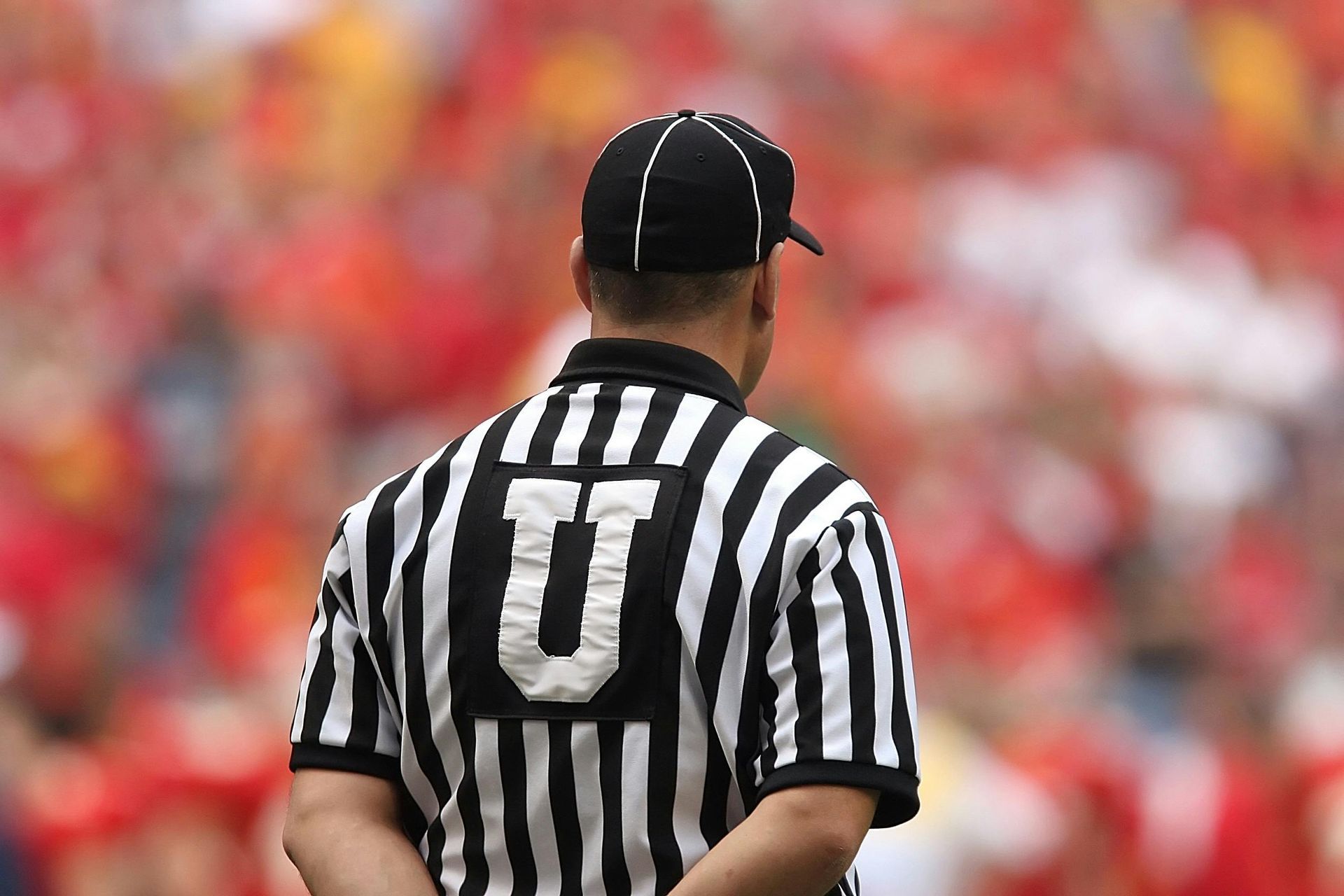
If you’re charged with assaulting or abusing a sports official in Arkansas — whether at a high-school game, college contest, or amateur league — you may be looking at serious criminal consequences. What may seem like a moment of anger at the field or court can trigger felony charges, depending on the level of injury, the timing of the offense, and the role of the victim. As an Arkansas criminal defense attorney, I’ve seen how these offenses escalate quickly — and how important it is to understand the law (and your defenses) before making decisions.
🧾 Applicable Arkansas Law: Arkansas Code Ann. § 5‑13‑209
Under Arkansas law, “abuse of an athletic contest official” is defined by statute.
What the statute says
(a) A person commits the offense when immediately prior to, during, or immediately following an interscholastic, intercollegiate, or any other organized amateur or professional athletic contest in which a game official (or athletic contest official) is participating, the person:
(1) With the purpose of causing serious physical injury to the official, causes serious physical injury.
(2) With the purpose of causing physical injury to the official, causes serious physical injury.
(3) With the purpose of causing physical injury, causes physical injury.
(4) Purposely creates apprehension of imminent physical injury in the official.
Classification & Penalties
As of the 2023 amendment (Act 420) effective August 1, 2023, here are the offense classifications:
Under subdivision (a)(1): Class B felony, punishable by 5-20 years in the Arkansas Department of Corrections and a fine up to $15,000.
Under (a)(2): Class C felony, punishable by 3-10 years in the Arkansas Department of Corrections and a fine up to $10,000.
Under (a)(3): Class A misdemeanor, punishable by up to 1 year in jail and a mandatory minimum fine of $2,500.
Under (a)(4): Class A misdemeanor, punishable by up to 1 year in jail and up to a fine of $2,500.
Before the amendment, the offense was classed only as a Class A misdemeanor.
🔍 Why This Matters for a Defendant
Felony vs Misdemeanor
Because items (1) and (2) now escalate the offense to a felony, the stakes for a client are much higher:
Class B felony in Arkansas can carry substantial prison time and long-term ramifications (loss of certain rights, employment hurdles, etc.).
Class C felony likewise carries serious consequences compared to a misdemeanor.
A Class A misdemeanor, while still serious, is less damaging than a felony both in sentencing and collateral effects.
Timing & Context
The statute covers the time immediately before, during, or immediately following the contest. That means the context is crucial. If the act occurs entirely separate from the official-duty timeframe, the statute might not apply. Also, “organized amateur or professional” covers a wide range — not just high school or college.
Injury & Intent
Two elements that often drive whether it’s elevated to felony:
The level of injury: “serious physical injury” vs “physical injury” vs mere apprehension.
The intent: Did the defendant act with the purpose of causing physical or serious physical injury? Because intent is part of the statute, defense will want to probe how purpose and injury are proven.
📌 What to Do If You’re Charged
Secure a skilled defense attorney immediately — felony exposure changes strategy considerably.
Request full discovery including injury reports, timing of the incident, whether the victim was performing official duties.
Explore alternative resolution paths: If the facts do not support serious physical injury or intent to cause injury, it may be possible to plead down.
Consider collateral consequences: Felony record vs misdemeanor record — impact on employment, housing, registration, gun rights, etc.
Prepare for mitigation at sentencing: Even if convicted, presenting a strong personal history, remorse, restitution, and rehabilitation plan may reduce the sentence.
🏛 Bottom Line
In Arkansas, a confrontation with a sports official is more than just an unsportsmanlike act: under Ark. Code Ann. § 5-13-209, it can lead to felony charges when serious injury or purposeful injury to an official occurs.
If you—or someone you represent—is facing such a charge, the difference between felony and misdemeanor, and the difference between battery of a sports referee and simple battery, matter greatly. Early, strategic defense is critical.
👋 Contact an Arkansas Defense Attorney
If you’re in the Little Rock, Central Arkansas, or statewide area and facing a charge for abuse of an athletic contest official, I can help. I’ll review the statute, evaluate the facts, and work with you to seek the most favorable outcome — whether that’s a reduction, dismissal, or mitigation at sentencing.
Call 501-404-2055 or go to clintondewittlaw.com/contact to schedule a consultation today.
Note: This blog post is for informational purposes only and does not constitute legal advice. For personalized legal assistance, please consult with an attorney.